The Benefits of Warehouse & Cross-Docking for Supply Chain Efficiency
Efficient supply chain management has become a defining factor in maintaining competitiveness across modern industries. As customer expectations continue to evolve toward faster delivery times and greater accuracy, businesses must adopt smarter logistics strategies that reduce delays, minimize costs, and improve operational flow. Warehouse management and cross-docking have emerged as two critical components that support these objectives by streamlining how goods are stored, handled, and distributed. When implemented effectively, these systems create a more responsive and resilient supply chain capable of adapting to fluctuating demand.
Warehouse operations provide structured storage, inventory control, and order fulfillment capabilities, while cross-docking minimizes storage time by transferring goods directly from inbound to outbound transportation. Together, these approaches enable businesses to eliminate inefficiencies, reduce handling costs, and accelerate delivery cycles. As supply chains grow more complex, integrating warehouse and cross-docking strategies becomes essential for maintaining accuracy, speed, and scalability. Understanding the benefits, challenges, and best practices associated with these logistics methods allows organizations to build a stronger, more efficient supply chain framework that supports long-term growth and operational excellence.
1. Understanding Warehouse Operations in Supply Chain Efficiency
Role of Warehousing in Modern Logistics
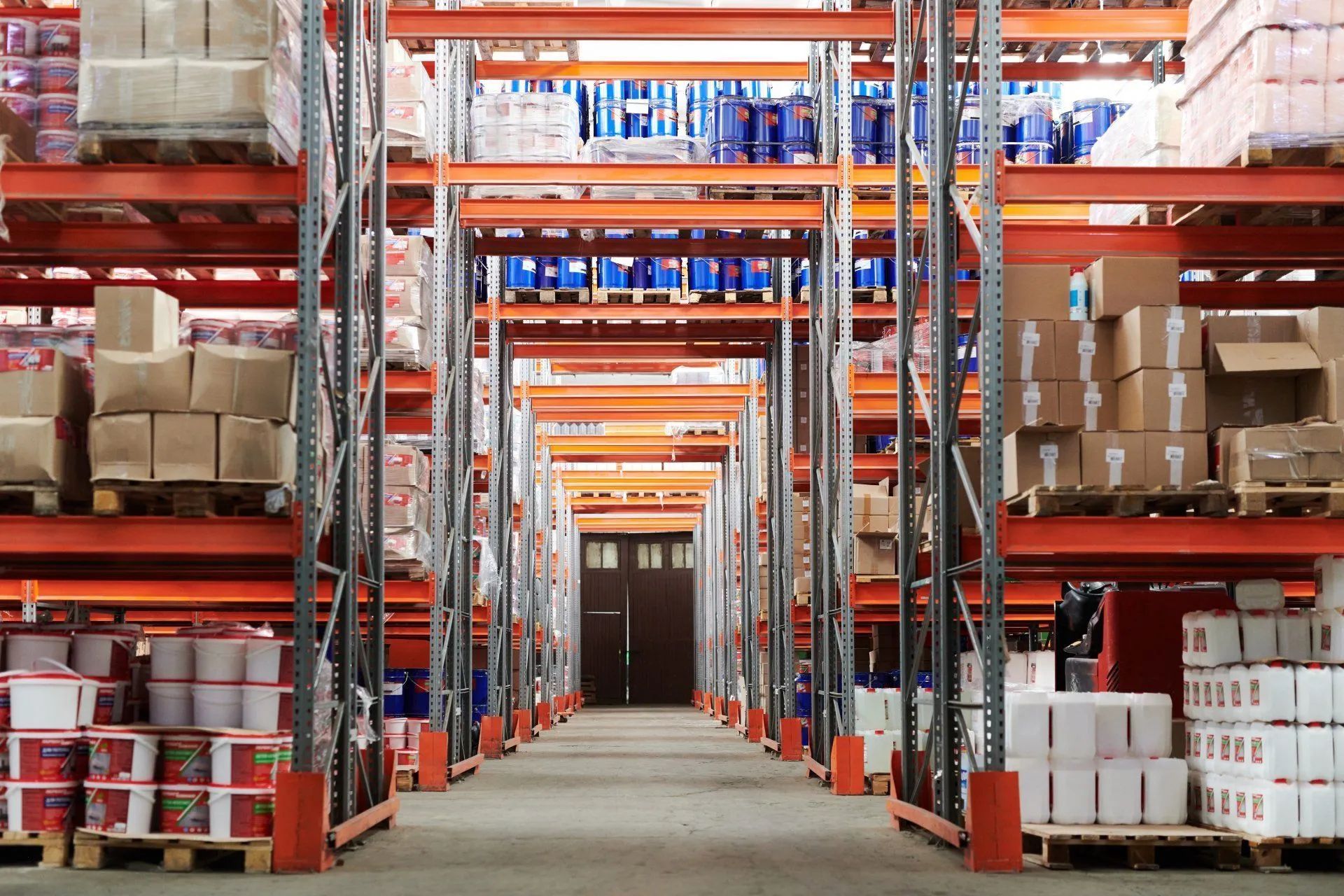
Warehousing serves as the backbone of supply chain infrastructure, providing a centralized location for storing goods before distribution. It supports inventory management, order processing, and product handling, ensuring that goods are readily available when needed. By maintaining organized storage systems, warehouses help reduce stockouts, prevent overstocking, and improve order accuracy.
Efficient warehouse operations rely on structured layouts, advanced inventory tracking systems, and optimized workflows. These elements enable faster picking, packing, and shipping processes, ultimately reducing delivery times and operational costs.
Key Benefits of Effective Warehouse Management
A well-managed warehouse enhances supply chain efficiency in several ways. First, it improves inventory visibility, allowing businesses to track stock levels in real time. This visibility supports better forecasting and demand planning. Second, it reduces handling errors by implementing standardized procedures and automation tools.
Additionally, warehouses provide flexibility in managing seasonal demand fluctuations. Businesses can store excess inventory during low-demand periods and distribute it efficiently when demand increases. This adaptability ensures continuity and stability in supply chain operations.
2. What is Cross-Docking and How It Works
Definition and Process Overview
Cross-docking is a logistics strategy where incoming goods are unloaded from inbound transportation and directly transferred to outbound vehicles with minimal or no storage time. Instead of placing products in storage, goods are sorted and redirected based on their final destination.
This process typically involves several key steps: receiving goods, sorting and consolidating shipments, and loading them onto outbound trucks. The goal is to minimize handling and storage, thereby reducing costs and transit times.
Types of Cross-Docking Operations
There are different types of cross-docking, each suited to specific supply chain needs. Continuous cross-docking involves a constant flow of goods moving through the facility without interruption. Consolidation cross-docking combines multiple smaller shipments into a single larger shipment for efficiency. Deconsolidation cross-docking, on the other hand, breaks down large shipments into smaller deliveries for distribution.
Each type offers unique advantages depending on the nature of the products and the distribution network. Selecting the right approach requires careful analysis of operational requirements and customer demand patterns.
3. Key Benefits of Integrating Warehouse and Cross-Docking Strategies
- Reduced Storage and Handling Costs:-
One of the most significant advantages of combining warehouse operations with cross-docking is the reduction in storage and handling costs. By minimizing the time goods spend in storage, businesses can lower expenses related to space, labor, and inventory management.
Cross-docking eliminates unnecessary steps in the supply chain, reducing the need for multiple handling processes. This streamlined approach not only saves time but also decreases the risk of product damage.
- Faster Delivery and Improved Customer Satisfaction:-
Speed is a critical factor in today’s supply chain environment. Cross-docking accelerates the movement of goods by reducing dwell time in warehouses. When integrated with efficient warehouse systems, it ensures that products are processed and shipped quickly.
Faster delivery times lead to improved customer satisfaction, as orders are fulfilled more efficiently. This advantage is particularly important in industries where timely delivery is a competitive differentiator.
- Enhanced Inventory Control and Accuracy:- Combining warehouse management with cross-docking improves inventory accuracy by reducing the need for long-term storage. With fewer touchpoints, there is less opportunity for errors in handling and tracking.
Advanced technologies such as barcode scanning and warehouse management systems further enhance accuracy by providing real-time data on inventory movement. This level of control supports better decision-making and operational efficiency.
4. Real-World Applications and Industry Use Cases
Retail and E-Commerce Distribution
In the retail and e-commerce sectors, speed and accuracy are essential. Cross-docking enables businesses to quickly move products from suppliers to customers without prolonged storage. This approach is particularly effective for high-demand items that require rapid turnover.
Warehouses play a supporting role by managing inventory for slower-moving products and handling returns. Together, these systems create a balanced and efficient distribution network.
Manufacturing and Just-in-Time Delivery
Manufacturers often rely on cross-docking to support just-in-time (JIT) production systems. By receiving materials only when needed, manufacturers can reduce inventory holding costs and improve production efficiency.
Warehousing complements this approach by storing essential components and ensuring a steady supply of materials. This combination helps maintain uninterrupted production while minimizing excess inventory.
Food and Perishable Goods Supply Chains
For industries dealing with perishable goods, such as food and pharmaceuticals, cross-docking is particularly valuable. It reduces the time products spend in transit and storage, preserving quality and freshness.
Warehouses equipped with temperature-controlled environments support the storage of sensitive items, ensuring compliance with safety standards. This integration enhances both efficiency and product integrity.
5. Challenges and Considerations in Implementation
Operational Complexity and Coordination
Implementing warehouse and cross-docking strategies requires careful planning and coordination. Cross-docking, in particular, demands precise timing to ensure that inbound and outbound shipments align seamlessly.
Any delays or disruptions can impact the entire supply chain, leading to inefficiencies and increased costs. Therefore, strong communication and coordination between suppliers, carriers, and distribution centers are essential.
Infrastructure and Technology Requirements
Effective cross-docking operations require specialized infrastructure, including strategically designed facilities and advanced technology systems. Warehouse management systems, transportation management systems, and real-time tracking tools are critical for ensuring smooth operations.
Investing in the right technology can be costly, but it is necessary for achieving long-term efficiency and scalability. Businesses must evaluate their needs and choose solutions that align with their operational goals.
Workforce Training and Process Optimization
A skilled workforce is essential for managing warehouse and cross-docking operations. Employees must be trained to handle goods efficiently, operate equipment safely, and follow standardized procedures.
Continuous process optimization is also important. Regular evaluations and improvements help identify inefficiencies and ensure that operations remain aligned with industry best practices.
6. Best Practices for Maximizing Supply Chain Efficiency
Strategic Facility Layout and Design
Designing an efficient warehouse layout is crucial for optimizing operations. Clear pathways, designated zones, and streamlined workflows reduce congestion and improve productivity.
For cross-docking, facilities should be designed to facilitate quick transfer of goods between inbound and outbound docks. This includes minimizing travel distances and ensuring easy access to loading areas.
Leveraging Technology and Automation
Technology plays a key role in enhancing supply chain efficiency. Automation tools such as conveyor systems, robotic picking, and automated sorting improve speed and accuracy.
Warehouse management systems provide real-time visibility into inventory levels and movement, enabling better decision-making. Integrating these technologies with cross-docking operations ensures seamless coordination and improved performance.
Building Strong Partnerships and Communication
Collaboration with suppliers, carriers, and logistics partners is essential for successful implementation. Clear communication ensures that all parties are aligned and that shipments are coordinated effectively.
Strong partnerships also provide flexibility in responding to changes in demand or disruptions in the supply chain. This adaptability is critical for maintaining efficiency and reliability.
Continuous Monitoring and Performance Improvement
Regular monitoring of key performance indicators (KPIs) helps identify areas for improvement. Metrics such as order accuracy, delivery times, and inventory turnover provide valuable insights into operational performance.
By analyzing these metrics and implementing improvements, businesses can continuously enhance their supply chain efficiency. This proactive approach ensures long-term success and competitiveness.
Trusted Logistics Experts Delivering Efficient Supply Chain Solutions
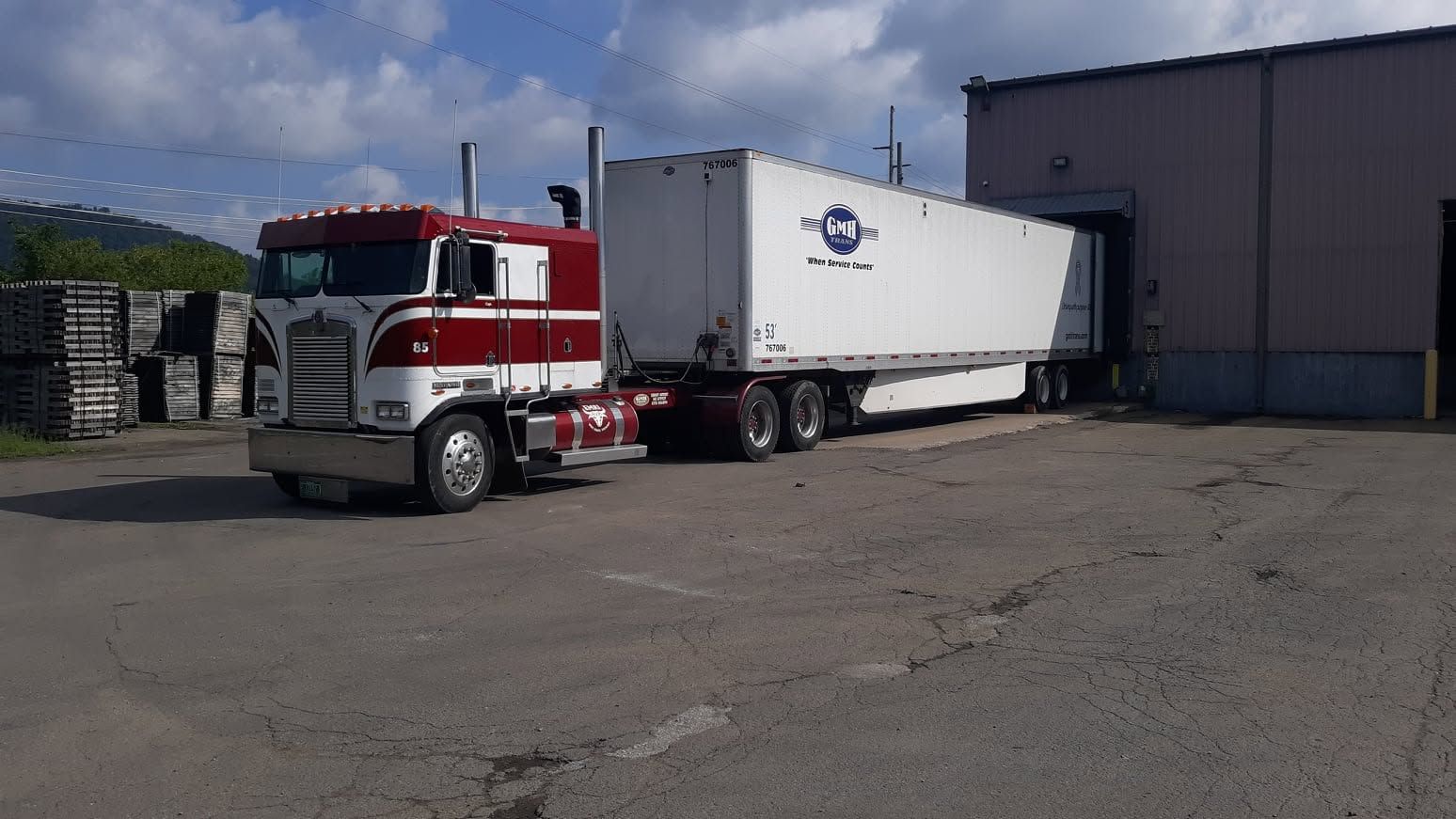
At GMH Transportation Services in Westminster, VT, we bring 40 years of industry expertise to delivering efficient, reliable logistics solutions that align with modern supply chain demands. Our experience has allowed us to refine warehouse and cross-docking strategies that prioritize speed, accuracy, and cost-effectiveness. By focusing on streamlined operations and advanced coordination, we help businesses move freight with greater efficiency and confidence.
We understand that every supply chain is unique, which is why we emphasize tailored solutions designed to meet specific operational goals. From optimizing warehouse workflows to implementing effective cross-docking processes, our approach is rooted in proven methods and continuous improvement. Our commitment to precision and reliability ensures that shipments are handled with care and delivered on time.
With decades of hands-on experience, we have developed a deep understanding of the complexities involved in logistics and distribution. This knowledge enables us to provide dependable support and strategic guidance, helping businesses strengthen their supply chains and achieve long-term success in an increasingly competitive marketplace.