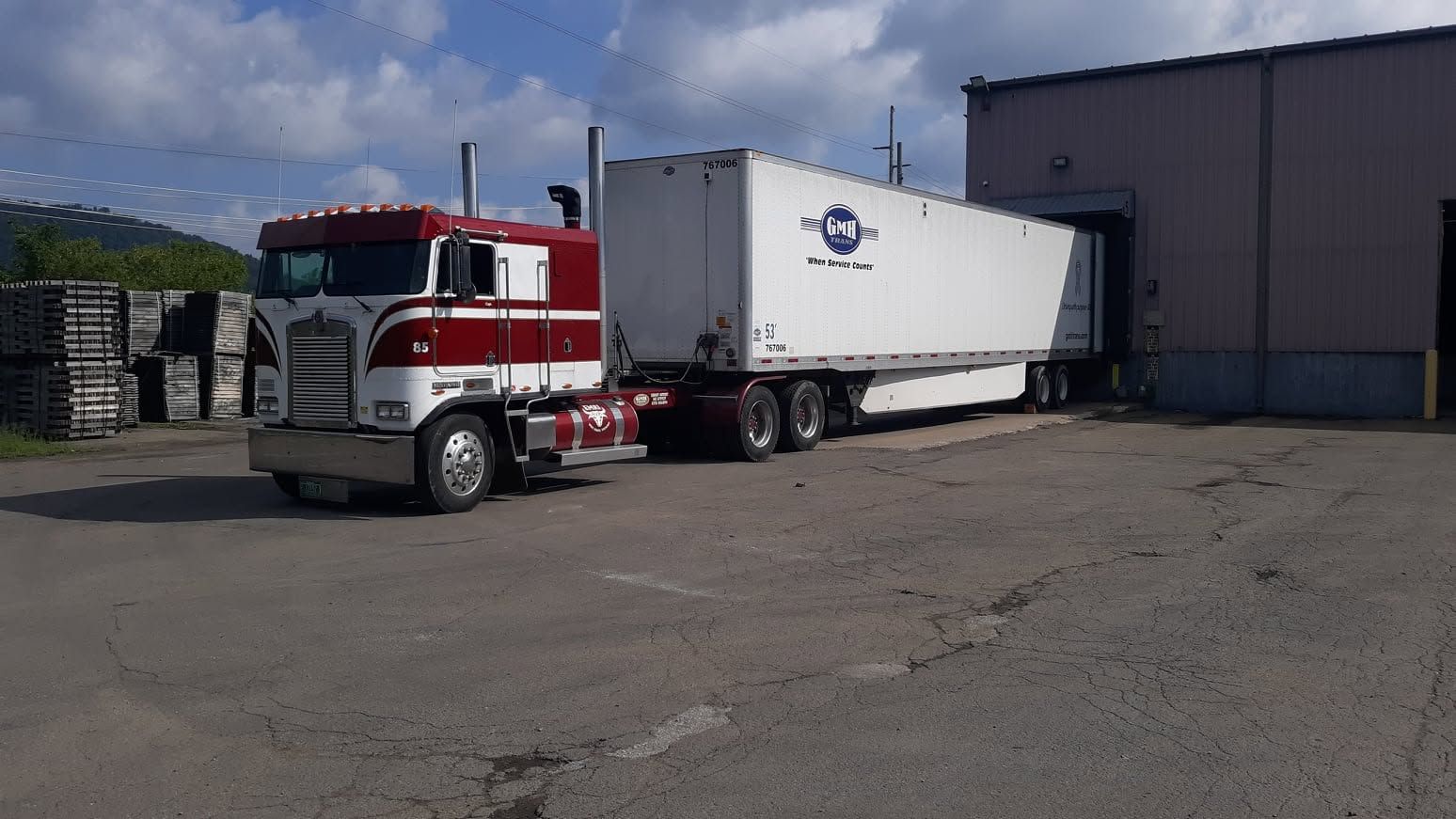
Freight Brokerage Services: Simplifying Shipping for Your Business
Modern supply chains depend on reliable transportation to keep products moving from manufacturers to distributors, retailers, and end customers. As shipping demands become more complex, businesses often face challenges related to carrier selection, freight pricing, route planning, shipment tracking, and regulatory compliance. Managing these responsibilities internally can consume valuable time and resources that could otherwise be focused on core business operations. Freight brokerage services have emerged as a practical solution, helping businesses connect with qualified carriers while streamlining the transportation process. By acting as intermediaries between shippers and carriers, freight brokers simplify logistics management and provide access to transportation networks that support efficient freight movement.
Whether a business ships occasional loads or manages high-volume transportation needs, freight brokerage services can improve operational efficiency and reduce logistical burdens. Brokers leverage industry knowledge, carrier relationships, and market insights to secure transportation solutions that align with shipping requirements and budget goals. Beyond arranging transportation, freight brokers help address unexpected disruptions, monitor shipment progress, and support communication throughout the shipping process. As supply chain expectations continue to grow, businesses increasingly rely on brokerage expertise to navigate transportation challenges and maintain dependable delivery performance. Understanding how freight brokerage services work can help organizations make informed decisions that strengthen logistics operations and support long-term business growth.
1. Understanding the Role of Freight Brokerage Services
What Is a Freight Broker?
A freight broker serves as a link between businesses that need transportation services and carriers that move freight. Rather than operating trucks directly, brokers coordinate shipping arrangements by identifying qualified carriers, negotiating rates, and managing transportation logistics.
This intermediary role allows businesses to access a broad network of transportation providers without investing extensive time in carrier research and relationship management. Freight brokers simplify the process of matching freight shipments with available transportation capacity.
How Freight Brokerage Works
The freight brokerage process typically begins when a shipper needs to transport goods. The broker evaluates shipment requirements, including freight type, destination, delivery timeline, and special handling needs. Based on these factors, suitable carriers are selected from an established network.
Once transportation is arranged, brokers oversee communication between all parties, track shipment progress, and address potential issues. This coordinated approach helps ensure freight moves smoothly from pickup to delivery while minimizing disruptions.
Why Businesses Use Freight Brokers
Many businesses choose freight brokerage services because transportation management can be highly time-consuming. Coordinating shipments, negotiating contracts, verifying carrier credentials, and monitoring freight status require significant attention.
Freight brokers provide industry expertise and established carrier relationships, allowing businesses to focus on operations while transportation professionals handle logistics coordination.
2. Key Benefits of Freight Brokerage Services
Access to Extensive Carrier Networks
One of the most significant advantages of freight brokerage services is access to a large network of vetted carriers. Brokers maintain relationships with transportation providers across various regions and equipment types.
This network allows businesses to secure transportation options that fit specific shipping requirements. Whether moving dry goods, refrigerated products, oversized equipment, or specialized freight, brokers can identify carriers with the appropriate capabilities.
Improved Cost Management
Freight costs can fluctuate due to fuel prices, seasonal demand, market conditions, and carrier availability. Freight brokers monitor transportation markets regularly and understand pricing trends.
By leveraging industry knowledge and carrier relationships, brokers can often identify competitive transportation solutions. Businesses benefit from improved visibility into freight costs while avoiding the administrative burden of negotiating rates independently.
Time Savings and Operational Efficiency
Managing transportation internally often requires dedicated staff and substantial administrative effort. Freight brokers streamline tasks such as carrier sourcing, scheduling, documentation management, and shipment coordination.
As a result, businesses can allocate resources toward strategic priorities rather than daily transportation management. Reduced administrative workload contributes to greater operational efficiency across the organization.
Enhanced Shipment Visibility
Modern freight brokerage services frequently incorporate technology platforms that provide shipment tracking and status updates. Businesses gain greater visibility into freight movement throughout the transportation process.
Access to real-time information helps improve planning, customer communication, and inventory management while reducing uncertainty surrounding shipment timelines.
3. How Freight Brokers Help Solve Common Shipping Challenges
- Reduced Storage and Handling Costs:-
Transportation capacity can become limited during peak shipping seasons, weather disruptions, or periods of increased demand. Finding available carriers during these situations can be difficult for businesses operating independently.
Freight brokers maintain extensive carrier relationships that help identify available transportation options even when market conditions become challenging. This flexibility supports continuity and reduces delays.
- Real-World Scenario:-
Consider a manufacturer that experiences a sudden increase in customer orders during a seasonal sales period. Internal logistics teams may struggle to locate sufficient transportation capacity quickly.
A freight broker can leverage carrier networks to secure additional trucks, helping the manufacturer meet delivery commitments without interrupting operations.
- Handling Unexpected Disruptions:- Transportation disruptions can occur for various reasons, including severe weather, traffic incidents, equipment breakdowns, or labor shortages.
When issues arise, freight brokers work to identify alternative solutions, coordinate with carriers, and communicate updates. This proactive approach helps minimize delays and maintain shipment progress. - Navigating Regulatory Requirements:- Freight transportation involves numerous regulations related to safety, documentation, insurance, and carrier compliance. Staying informed about these requirements can be challenging for businesses that do not specialize in logistics.
Experienced brokers understand transportation regulations and work with compliant carriers, reducing the risk of costly errors and operational complications.
4. Technology and Innovation in Modern Freight Brokerage
Digital Freight Management Platforms
Technology has transformed the freight brokerage industry significantly. Many brokers now utilize digital platforms that automate shipment booking, carrier matching, tracking, and reporting functions.
These tools improve communication and provide greater transparency throughout the shipping process. Businesses can monitor shipments, review transportation data, and access documentation from centralized systems.
Data-Driven Decision Making
Freight brokers increasingly use analytics to support transportation planning. Market data, historical shipping patterns, and route performance information help brokers make informed recommendations.
Businesses benefit from insights that support cost control, service improvement, and more efficient transportation strategies.
Benefits of Analytics
Data analysis can reveal opportunities to consolidate shipments, optimize routes, and identify carrier performance trends. These insights contribute to stronger logistics planning and more informed decision-making.
Strengthening Supply Chain Visibility
Supply chain visibility has become a major priority for organizations seeking to improve responsiveness and customer satisfaction. Freight brokers help enhance visibility by providing timely shipment updates and centralized communication channels.
Improved visibility supports better coordination among suppliers, warehouses, carriers, and customers throughout the transportation process.
5. Choosing the Right Freight Brokerage Partner
Evaluate Industry Experience
Not all freight brokers offer the same level of expertise. Businesses should evaluate a broker's experience, industry knowledge, and understanding of specific transportation requirements.
A broker with relevant experience can anticipate challenges, recommend practical solutions, and provide valuable guidance based on real-world logistics knowledge.
Assess Carrier Vetting Processes
Carrier quality directly impacts shipping performance. Businesses should understand how brokers evaluate and select carriers before transportation arrangements are made.
Strong vetting procedures often include reviews of safety records, insurance coverage, operating authority, and performance history. These measures help protect shipments and reduce transportation risks.
Review Technology Capabilities
Technology plays a significant role in modern freight management. Businesses should consider whether a broker offers shipment tracking, reporting tools, and communication platforms that support operational visibility.
Reliable technology enhances transparency and simplifies transportation management for both shippers and customers.
Consider Communication Standards
Effective communication remains essential throughout the shipping process. Businesses should seek brokerage partners that provide timely updates, responsive support, and clear communication during routine operations and unexpected situations.
Strong communication builds trust and helps ensure logistics activities remain aligned with business objectives.
Focus on Long-Term Value
While transportation pricing is important, selecting a freight brokerage partner should involve more than comparing rates. Businesses should evaluate service quality, reliability, problem-solving capabilities, and industry expertise.
A broker that consistently delivers dependable service can contribute to stronger supply chain performance and long-term operational success.
Trusted Transportation Solutions Backed by Four Decades of Experience
For businesses seeking dependable freight brokerage and transportation support, GMH Transportation Services in Westminster, VT provides the experience and industry knowledge necessary to navigate today's complex shipping environment. With 40 years of experience in transportation and logistics, we understand the challenges businesses face when managing freight movement, coordinating carriers, and maintaining reliable delivery schedules. Our approach focuses on building strong transportation solutions tailored to each customer's unique shipping requirements. We work closely with clients to identify practical freight strategies, improve shipment coordination, and help maintain smooth supply chain operations. Through extensive industry knowledge, established carrier relationships, and a commitment to service excellence, we provide support that helps businesses move freight with confidence.
We recognize that every shipment plays an important role in business success. That is why we prioritize communication, reliability, and personalized service throughout the transportation process. Whether supporting routine freight movement or addressing complex logistics challenges, our goal is to deliver solutions that create value and support long-term operational performance. Businesses throughout the region continue to trust GMH Transportation Services
because of our dedication to professionalism, transportation expertise, and customer-focused service. Our decades of experience allow us to provide guidance and transportation support that businesses can depend on for years to come.