Shipments Arriving Late and Costing You Customers? Where the Delay Starts
QUICK ANSWER: Shipments arriving late almost always trace back to one of four points in the supply chain: a rushed or mismatched carrier assignment, a documentation error that stalls pickup or delivery, extended dwell time at a shipping dock, or a route disruption layered on top of federal hours-of-service limits. The stakes behind that last point are measurable — a Department of Transportation inspector general review found that a 15-minute increase in average dock dwell time raises the expected crash rate by 6.2%, and a Government Accountability Office review found that 80% of carriers say detention time interferes with their ability to stay within the 11-hour driving and 14-hour on-duty limits set by the Federal Motor Carrier Safety Administration. Shippers rarely see any of this because the breakdown usually happens between the carrier's cab and the receiving dock, well outside the view of whoever booked the load. A brokerage that vets carriers on real performance history, tracks freight from dispatch to delivery, and manages the paperwork trail catches most of these problems before they turn into a missed delivery window.
You're on the phone with a customer who ordered raw material three days ago, and the truck that was supposed to hit their dock this morning is somewhere outside Cleveland, still two states away. The customer isn't interested in explanations about weather or driver logs. They want their freight, and they want to know why your operation can't tell them, in plain terms, when it's actually going to show up. You hang up, pull the shipment number, and stare at a tracking screen that hasn't updated since yesterday afternoon.
This scene plays out at freight desks and small business offices every day. A shipper books a load, hands it off to a carrier or broker, and assumes the rest is handled. Then the delivery window slips, the customer calls, and the shipper is left guessing at a cause they had no way to see coming. The frustrating part isn't just the late truck. It's not knowing whether this was a one-time fluke or the first sign of a pattern that's about to cost you a customer.
Late freight almost never has a single, simple cause. It's the result of a chain of small decisions and small delays, most of which happen far away from the person who placed the order. Understanding where those decisions get made is the first step to fixing the pattern instead of just apologizing for it.
Where the Delay Actually Starts
Most shippers assume a late delivery means a driver got stuck in traffic or the weather turned bad. Those things happen, but they're rarely the root cause. The delay usually starts before the truck ever leaves the yard.
Carrier Matching Under Pressure
Assigning a load to an available carrier without checking lane experience, equipment suitability, and delivery performance can create delays. When speed or low rates outweigh proper carrier matching, pickup issues and scheduling problems may eventually result in missed delivery appointments.
Thin Capacity on the Lane You Need
Freight capacity varies by region, season, equipment type, and market demand. When brokers lack dependable carrier relationships on specific lanes, securing coverage becomes difficult. Last-minute assignments can delay pickups, reduce scheduling flexibility, and create additional pressure throughout the remaining delivery schedule.
Documentation That Stalls at the Gate
Paperwork errors can delay freight before transportation even begins. An inaccurate bill of lading, missing piece count, incorrect weight, or unclear instructions may prevent pickup or delivery approval, leaving the truck waiting while the shipper, carrier, and receiver resolve discrepancies.
The Part of the Delay You Can't See From Your Desk
Here's the problem for most shippers: by the time a load is late, the actual cause already happened hours or days earlier, somewhere you had no visibility into. You see a tracking status that says "in transit" and a delivery window that's slipping. You don't see the dock where the driver sat for four extra hours waiting to get loaded, or the dispatcher who reassigned the load to a different truck at 6 a.m. because the original carrier fell through overnight.
Dwell time is the biggest blind spot. This is the hours a truck spends parked at a shipper or receiver's facility, loading or unloading, often well past the appointment time. Federal data on this is not encouraging. Research reviewed by the Department of Transportation's Office of Inspector General found that a 15-minute increase in average dwell time raises a carrier's expected crash rate by 6.2%, largely because extended dock time pushes drivers closer to their federal hours-of-service limits and forces rushed decisions later in the day. A Government Accountability Office review found that 80% of carriers reported detention time interfering with hours-of-service compliance, and 65% said it caused major lost revenue tied to facility-side problems like understaffed docks and shipments that weren't ready at appointment time.
Those numbers matter to you even if you never see a dock in person. Under FMCSA rules, a driver generally has an 11-hour driving limit within a 14-hour on-duty window before a mandatory rest break. If your freight sits at a previous stop for three or four extra hours, that time comes directly out of the driver's remaining clock for your delivery. The truck isn't slow. The truck ran out of legal hours because somebody else's dock ran long. From where you sit, all of that is invisible. All you get is a late arrival with no clear explanation attached.
And weather compounds all of it. A storm that closes an interstate in the Midwest or ices over a mountain pass doesn't just delay the truck caught in it — it pushes that carrier's next three appointments back too, including yours, even if your delivery point never saw a flake of snow. New England shippers know this rhythm well every winter, when a single nor'easter can back up freight schedules across several states for days.
What a Well-Run Brokerage Does Differently
A good brokerage doesn't eliminate every variable that causes delay. Weather still happens. Docks still get backed up. But the difference between a brokerage that catches problems early and one that just relays bad news is largely a matter of process, built before the truck ever loads.
Vetting Carriers on More Than Availability
Reliable carrier vetting considers safety records, insurance coverage, regulatory compliance, and previous delivery performance before assignments are made. Regular reviews are equally important because carrier performance can change over time, helping brokers identify potential reliability concerns before shipments are affected.
Building Shipment Plans Around Your Actual Constraints
Effective shipment planning considers pickup windows, delivery deadlines, cargo requirements, equipment needs, and operational limitations before selecting a carrier. Coordinating these details early helps prevent scheduling conflicts, rushed assignments, and avoidable disruptions that could affect pickup or final delivery times.
Tracking Freight Instead of Just Booking It
Real-time shipment tracking provides visibility from dispatch through final delivery, allowing brokers to identify potential disruptions while freight is moving. Proactive status updates help shippers understand changing timelines early, communicate accurately with customers, and prepare for necessary scheduling adjustments promptly.
Owning the Paperwork
Properly managing bills of lading, carrier agreements, compliance documents, and shipment records helps prevent unnecessary delays at pickup and delivery. Keeping paperwork accurate and organized reduces confusion between carriers, shippers, and receivers while supporting smoother freight movement through each stage.
TIP: Ask any carrier or broker you work with how they handle a load once it's already running behind schedule. A vague answer means you'll find out the hard way, mid-shipment, exactly how much visibility you actually have.
None of this makes a brokerage immune to disruption. What it does is shrink the number of delays that were preventable in the first place, and shorten the gap between something going wrong and you finding out about it.
How to Spot a Pattern Before It Costs You a Customer
One late shipment is an incident. Three late shipments in two months is a pattern, and patterns are what actually cost you customers. The trouble is that most shippers don't track delays closely enough to notice the pattern until a client has already started shopping around.
Start by logging every late delivery with a reason code, even a rough one. Was it a carrier issue, a documentation hold, a dock delay, or weather. After a few months, you'll likely find that one category dominates the others, and that's your actual problem, not "logistics in general."
Pay attention to which lanes or carriers show up repeatedly in that log. A single carrier responsible for a third of your delays is not bad luck. That's a broker not doing the screening they claimed to do. The same goes for a specific lane that consistently runs late regardless of carrier — that often points to a capacity gap nobody has bothered to fix.
WARNING: Don't wait for a customer complaint to start tracking this. By the time a client calls to say their delivery is late for the third time, you've likely already lost the benefit of the doubt, and possibly the account.
Watch your communication timeline as closely as your delivery timeline. If you're only finding out about a delay after the appointment window has already passed, that's a visibility failure, not just a scheduling one. A well-run operation tells you a load is running behind while there's still time to notify your customer and adjust, not after the fact.
Frequently Asked Questions
What's the most common cause of shipments arriving late?
Extended dwell and detention time at pickup or delivery docks is one of the most consistently documented causes, since it eats directly into a driver's legal hours-of-service clock and pushes every later stop back with it.
How does a bill of lading error actually delay a shipment?
An incomplete or inaccurate BOL — wrong weight, missing piece count, unclear instructions — can stop a load from being accepted at pickup or held at delivery until the discrepancy gets resolved, sometimes for hours.
Can weather really delay a shipment in a state it never passes through?
Yes. A storm that stalls one truck's route also delays every subsequent stop on that driver's schedule, including deliveries in locations that never experienced the weather event directly.
How do federal hours-of-service rules affect my delivery window?
Drivers are generally limited to 11 hours of driving within a 14-hour on-duty window before a mandatory rest break. If a truck sits too long at an earlier stop, the driver can run out of legal hours before reaching your delivery, forcing a reschedule.
How can I tell if my freight is being handled by a properly vetted carrier?
Ask directly what screening a broker applies before assigning a carrier — safety record checks, insurance verification, and on-time performance history are the baseline. If you get a vague answer, that's worth treating as a warning sign on its own.
Is one late delivery enough to worry about, or should I wait to see a pattern?
One late shipment can be a fluke. Track the reason behind it anyway. If a second or third one shows a similar cause, you're looking at a systemic issue, not bad timing, and it's worth addressing before a customer decides to address it for you.
Building More Reliable Freight Through Better Visibility
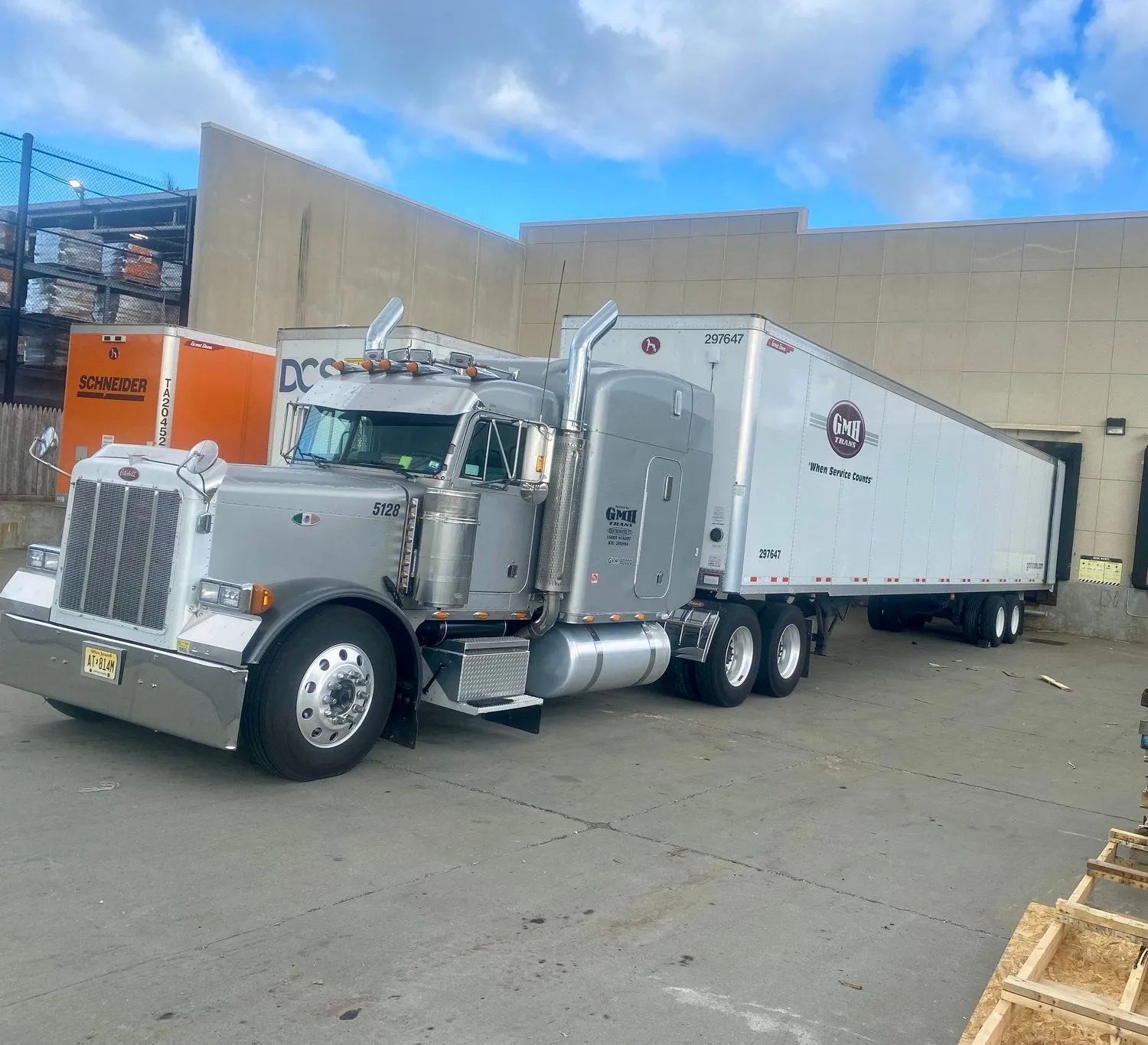
Late shipments become easier to manage when businesses understand where delays begin and have reliable processes for identifying problems before delivery windows are missed. Carrier selection, accurate documentation, dock efficiency, shipment monitoring, and realistic scheduling all contribute to dependable freight movement. With 40 years of experience, GMH Transportation Services in Westminster, VT understands how these interconnected details affect delivery performance. Strong coordination throughout the shipping process helps reduce preventable disruptions while providing greater clarity when unavoidable delays occur.
Reliable freight transportation is ultimately built on consistency, accountability, and visibility from pickup through final delivery. Tracking recurring delay patterns can reveal weak carriers, problematic lanes, documentation issues, or scheduling gaps that might otherwise remain unnoticed. When these factors are managed carefully, businesses can communicate more accurately with customers and protect the relationships that depend on dependable deliveries. A structured brokerage process cannot prevent every disruption, but it can make delays less frequent, easier to understand, and far more manageable.