Long-Distance Shipping Explained: How to Move Freight Across State
Long-distance shipping plays a critical role in today’s interconnected economy, enabling businesses to move goods efficiently across state lines while meeting growing customer expectations. From small enterprises expanding into new markets to large-scale distributors managing complex supply chains, understanding how freight transportation works is essential for operational success. The process involves more than simply loading goods onto a truck; it requires careful planning, regulatory awareness, cost management, and coordination between multiple stakeholders to ensure timely and secure delivery. It also demands strong communication between shippers, carriers, and receivers to maintain consistency. As competition increases, businesses must adopt smarter logistics strategies to remain efficient and responsive.
As demand for reliable logistics continues to rise, businesses must navigate challenges such as fluctuating fuel costs, route optimization, compliance requirements, and risk management. A well-structured shipping strategy can reduce delays, minimize expenses, and improve customer satisfaction. Whether transporting raw materials, retail products, or specialized equipment, long-distance freight movement demands a balance of efficiency, safety, and scalability. Companies that invest in advanced logistics planning gain a significant competitive advantage in meeting delivery expectations. By gaining a deeper understanding of shipping methods, documentation, and best practices, businesses can make informed decisions that strengthen logistics performance and support long-term growth in an increasingly competitive marketplace.
1. Understanding Long-Distance Freight Shipping
What Defines Long-Distance Shipping
Long-distance shipping refers to the transportation of goods across significant geographic distances, often spanning multiple states or regions and requiring careful logistical coordination. This type of freight movement typically involves interstate regulations, multiple transit points, and longer delivery timelines across diverse terrains. Unlike local deliveries, long-haul shipping requires advanced logistical coordination and detailed route planning to ensure consistent delivery performance.
Businesses rely on long-distance shipping to expand distribution networks, access broader markets, and maintain consistent inventory flow across multiple locations efficiently. It is commonly used in industries such as manufacturing, retail, construction, and agriculture, where goods must travel hundreds or even thousands of miles regularly.
Key Transportation Modes
There are several primary modes of long-distance freight transport used across various industries depending on operational requirements. Truckload (TL) shipping is ideal for large shipments that fill an entire trailer, offering faster transit times and fewer handling points during delivery. Less-than-truckload (LTL) shipping allows multiple shipments from different businesses to share space, reducing costs but increasing transit complexity and coordination requirements.
Rail freight is a cost-effective option for heavy and bulk goods, while air freight offers speed for time-sensitive deliveries requiring urgent handling. Intermodal shipping combines multiple transportation methods, enhancing flexibility and efficiency for complex shipping routes. Choosing the right mode depends on factors such as shipment size, urgency, cost constraints, and cargo type involved.
2. Planning and Preparing Freight for Transport
Packaging and Load Optimization
Proper packaging is essential for protecting goods during long-distance transit across varying environmental and handling conditions. Freight may encounter vibrations, weather changes, and handling at multiple checkpoints throughout the journey across regions. Using durable materials, secure pallets, and proper labeling reduces the risk of damage and ensures safe delivery outcomes.
Load optimization also plays a crucial role in maximizing efficiency and minimizing unnecessary transportation costs during shipping operations. Strategically arranging cargo minimizes empty space, reduces transportation costs, and improves weight distribution across the vehicle effectively. Poorly packed shipments can lead to damage, delays, or even regulatory violations impacting delivery timelines significantly.
Documentation and Compliance
Long-distance shipping involves various documents, including bills of lading, invoices, and permits required for legal and operational compliance. Accurate documentation ensures smooth transit and helps avoid legal complications or unnecessary shipment delays during interstate movement. Interstate shipments must comply with federal and state regulations, including weight limits, safety standards, and hazardous material guidelines strictly.
Failure to meet compliance requirements can result in fines, shipment delays, or rejected deliveries affecting overall business operations significantly. Maintaining organized records and understanding regulatory obligations is essential for seamless operations and long-term logistics efficiency.
3. Cost Factors and Pricing Strategies
- Understanding Freight Costs:- Shipping costs are influenced by several factors, including distance, weight, volume, fuel prices, and delivery speed expectations. Additional charges may apply for special handling, expedited shipping, or remote delivery locations requiring additional logistical effort.
Fuel surcharges are a common variable cost that can significantly impact overall pricing structures in long-distance freight shipping operations. Seasonal demand fluctuations and market conditions also play a role in determining freight rates across different regions and industries.
- Strategies to Optimize Costs:- Businesses can reduce shipping expenses by consolidating shipments, choosing the right transportation mode, and negotiating competitive rates with carriers effectively. Planning shipments in advance and avoiding peak seasons can also lead to cost savings and improved operational efficiency.
Using technology such as transportation management systems helps track expenses, analyze shipping patterns, and identify opportunities for optimization across logistics operations. Efficient cost management not only improves profitability but also enhances competitiveness in the market over time.
4. Challenges in Long-Distance Freight Movement
Operational and Logistical Challenges
Long-distance shipping presents several challenges, including delays caused by weather, traffic congestion, or mechanical issues during transit operations. Coordinating multiple carriers and managing complex routes can increase the risk of miscommunication and inefficiencies in delivery processes.
Cargo damage and theft are additional concerns, especially for high-value shipments requiring enhanced security measures and monitoring systems. Ensuring proper security measures and insurance coverage is crucial for risk mitigation and protecting valuable goods during transit.
Regulatory and Environmental Considerations
Interstate shipping requires compliance with various regulations, including driver hours-of-service rules, vehicle inspections, and emissions standards set by authorities. Staying updated with changing regulations is essential for avoiding penalties and maintaining operational efficiency across logistics operations.
Environmental concerns are also becoming increasingly important in modern freight transportation and logistics planning strategies. Businesses are adopting sustainable practices such as fuel-efficient transportation, route optimization, and reduced packaging waste to minimize environmental impact effectively.
5. Best Practices for Efficient Freight Shipping
Route Planning and Scheduling
Effective route planning is key to successful long-distance shipping operations across different regions and transportation networks. Optimizing routes reduces transit time, lowers fuel consumption, and improves delivery reliability for businesses and customers alike. Advanced GPS and logistics software help identify the most efficient paths while accounting for real-time conditions and potential disruptions.
Scheduling shipments strategically ensures better coordination with carriers and minimizes delays during transportation and delivery processes. Clear communication between all parties involved is essential for maintaining smooth operations and avoiding unnecessary complications.
Partnering with Reliable Carriers
Choosing the right logistics partners is critical for successful freight transportation across long distances and complex delivery networks. Reliable carriers offer consistent service, transparent communication, and adherence to safety standards throughout the shipping process. Evaluating carrier performance, experience, and customer reviews helps ensure dependable service and long-term operational success.
Building strong relationships with carriers can lead to better pricing, priority service, and improved overall efficiency in logistics operations. Trust and reliability are key factors in long-term logistics success and sustainable business growth.
6. The Role of Technology in Modern Freight Shipping
Digital Tools and Automation
Technology has transformed long-distance shipping by improving visibility, efficiency, and accuracy across logistics and supply chain operations. Transportation management systems (TMS) streamline operations by automating scheduling, tracking shipments, and managing documentation processes effectively.
Real-time tracking allows businesses to monitor shipments and provide accurate delivery updates to customers throughout the transportation process. Automation reduces manual errors and enhances overall productivity across logistics teams and operational workflows.
Data-Driven Decision Making
Data analytics plays a crucial role in optimizing logistics strategies and improving overall supply chain performance over time. By analyzing shipping patterns, costs, and performance metrics, businesses can make informed decisions and improve operational efficiency consistently.
Predictive analytics helps anticipate demand, identify potential disruptions, and plan accordingly for future shipping requirements and challenges. Leveraging technology enables businesses to stay competitive and adapt to evolving market conditions in the logistics industry.
Skilled Logistics Experts Supporting Complex Long Distance Shipping
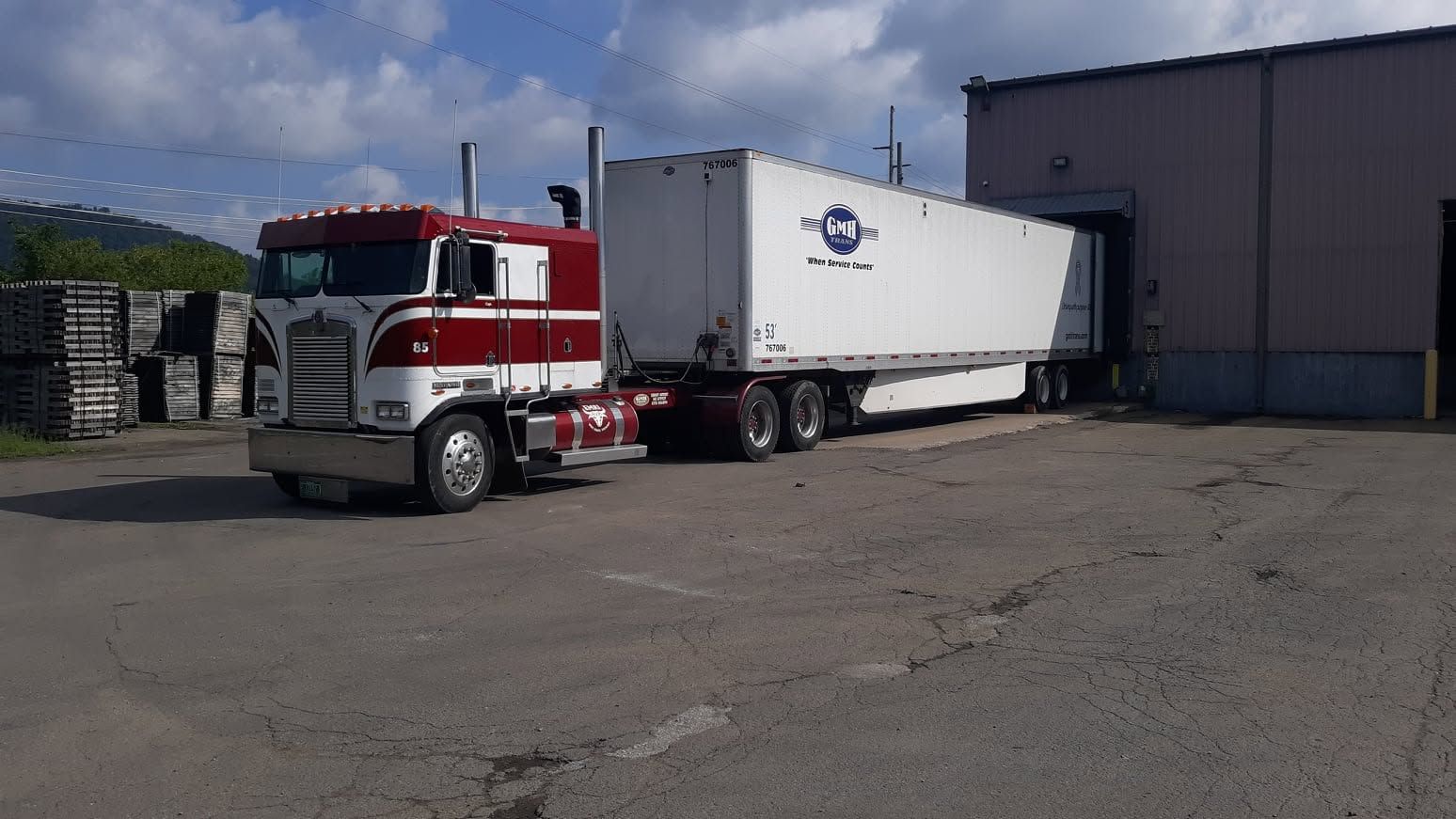
With decades of hands-on experience in freight transportation, GMH Transportation Servicesn Westminster, VT stands as a trusted partner for businesses seeking dependable long-distance shipping solutions. With 40 years of industry expertise, we understand the complexities of moving freight across states and deliver solutions tailored to meet diverse logistical needs. Our deep industry knowledge allows us to anticipate challenges and implement proactive strategies that keep shipments moving efficiently. We continuously refine our processes to align with evolving logistics demands and customer expectations.
Our approach focuses on precision, reliability, and efficiency, ensuring that every shipment is handled with care and professionalism. We prioritize clear communication, timely deliveries, and adherence to industry standards, helping businesses maintain smooth operations and customer satisfaction. Our team emphasizes accountability at every stage of the shipping process, ensuring transparency and consistency. We also leverage modern tools and best practices to enhance coordination and reduce potential disruptions.
By combining proven strategies with modern logistics practices, we provide dependable freight services that support growth and operational success. Whether managing routine shipments or complex transportation requirements, we remain committed to delivering consistent results and building long-term partnerships grounded in trust and performance. Our focus on continuous improvement enables us to adapt to changing market conditions and client needs. We strive to deliver value-driven solutions that strengthen supply chains and support long-term business success.