Maximizing Efficiency with Professional Full Truckload Carrier Carriers
In today’s fast-paced supply chain landscape, efficiency is no longer just a competitive advantage—it is a necessity. Businesses that rely on logistics for the timely delivery of goods face increasing pressure to streamline operations, reduce transit times, and minimize costs. Full Truckload (FTL) shipping, when executed effectively, provides a powerful solution for companies looking to optimize their freight transport. Unlike Less Than Truckload (LTL) shipments, FTL carriers offer dedicated capacity for a single shipment, ensuring faster transit, lower handling, and improved reliability. For businesses managing large volumes of goods or time-sensitive deliveries, leveraging professional FTL carriers can significantly enhance operational performance and customer satisfaction.
However, maximizing the benefits of FTL shipping requires more than just hiring a carrier. Shippers must understand industry best practices, evaluate carrier capabilities, and align transportation strategies with broader supply chain objectives. Selecting the right professional FTL carrier involves assessing factors such as transit consistency, fleet maintenance, route optimization, and technology integration. By strategically leveraging the expertise of
full truckload carriers, businesses can minimize risks, improve supply chain visibility, and achieve measurable cost savings. This article explores actionable strategies, insights, and real-world examples to help companies maximize efficiency with professional FTL carriers.
Understanding Full Truckload Shipping
What is Full Truckload Shipping?
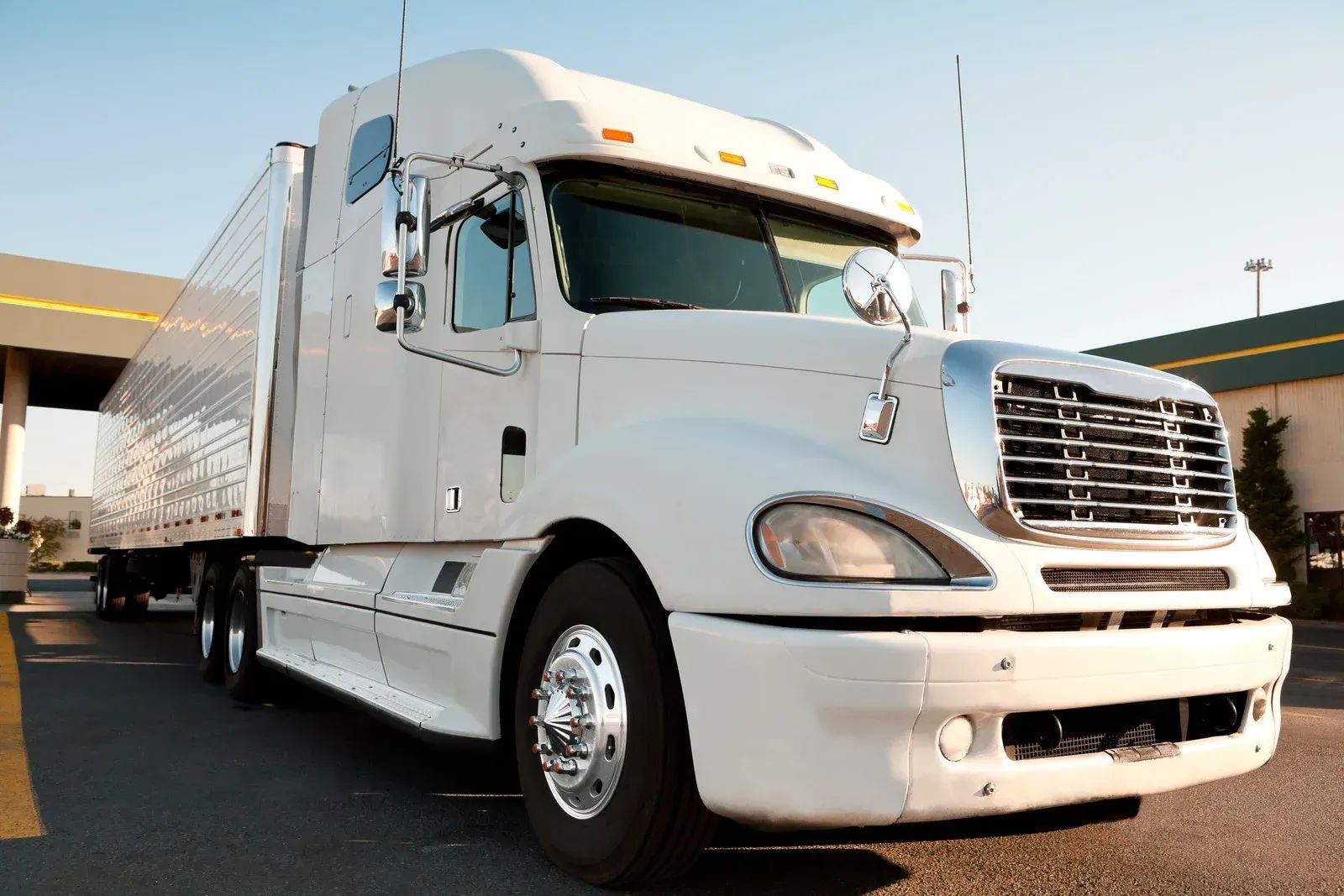
Full Truckload (FTL) shipping refers to transporting goods that occupy an entire truck trailer or a substantial portion of it. Unlike LTL, which consolidates multiple shipments from various shippers into one truck, FTL dedicates the entire trailer to a single shipment. This approach reduces handling, lowers the risk of damage, and allows for faster delivery times, making it ideal for businesses with large shipments or sensitive cargo.
Key Advantages of FTL Shipping
- Speed and Reliability: FTL shipments typically move directly from origin to destination without intermediate stops, reducing delays. This direct routing ensures consistent delivery times, which is crucial for inventory management and customer satisfaction.
- Reduced Risk of Damage: Minimizing transfer points reduces the likelihood of mishandling. Sensitive goods, high-value shipments, or temperature-controlled cargo benefit greatly from FTL.
- Cost-Effectiveness for Large Shipments: While LTL may be more economical for small loads, FTL becomes cost-efficient for heavier, bulk shipments. Companies avoid paying multiple handling fees and can capitalize on economies of scale.
When to Choose FTL Over LTL
Businesses should opt for FTL when shipping large volumes, high-priority goods, or products that require careful handling. Industries such as manufacturing, retail, and pharmaceuticals often rely on FTL carriers to maintain production schedules, meet retail deadlines, and safeguard inventory quality. Understanding when FTL shipping aligns with operational needs is critical to maximizing efficiency and ensuring cost-effective transportation.
Selecting the Right FTL Carrier
Carrier Evaluation Criteria
Choosing a professional FTL carrier requires careful evaluation of several factors:
- Fleet Capabilities: Assess the carrier’s fleet size, vehicle types, and maintenance standards. A well-maintained fleet reduces the likelihood of delays and ensures cargo safety.
- Experience and Reputation: Established carriers with a proven track record in FTL shipping provide reliability and industry expertise. Look for references, reviews, and case studies.
- Technology Integration: Advanced carriers leverage route optimization software, shipment tracking, and real-time communication systems to enhance supply chain visibility.
Real-World Scenario
A consumer electronics manufacturer faced frequent delivery delays with an LTL provider, impacting production schedules. After switching to a professional FTL carrier with robust fleet management technology, the manufacturer reduced transit times by 20%, improved inventory planning, and lowered freight damage claims. This example highlights the importance of matching carrier capabilities with business requirements.
Best Practices for Carrier Selection
- Conduct thorough due diligence, including on-site audits when possible.
- Evaluate carrier responsiveness and communication practices.
- Consider carriers offering value-added services such as temperature-controlled shipments, liftgate service, or specialized handling for fragile items.
Selecting the right FTL carrier not only improves operational efficiency but also reduces risk, enhances customer satisfaction, and strengthens supply chain resilience.
Optimizing Shipment Planning and Logistics
- Strategic Load Planning:- Efficiency in FTL shipping begins with proper load planning. By accurately forecasting shipment volumes, businesses can ensure trailers are fully utilized, reducing the number of trips and associated costs. Load planning tools and software enable businesses to visualize cargo space, balance weight distribution, and optimize pallet arrangements.
- Route Optimization and Scheduling:- Professional carriers often employ advanced route optimization technology to identify the fastest, safest, and most cost-effective paths. Route planning considers factors such as traffic patterns, road restrictions, and fuel efficiency, ensuring shipments reach their destinations on time and under budget.
- Collaborative Communication:- Maintaining clear communication between the shipper and carrier is essential. Providing detailed shipment information, expected delivery windows, and special handling instructions reduces the risk of errors and enhances coordination.
- Example of Logistics Optimization:- A regional food distributor integrated shipment planning software with a professional FTL carrier. By consolidating multiple deliveries into optimized routes, the distributor reduced fuel costs by 15% and improved on-time delivery from 88% to 97%. This demonstrates how strategic planning enhances both cost efficiency and service reliability.
Leveraging Technology for FTL Efficiency
Shipment Tracking and Visibility
Modern FTL carriers use GPS tracking and telematics to provide real-time visibility into shipment status. Businesses can monitor transit progress, anticipate delays, and proactively communicate with customers.
Data-Driven Decision Making
Data analytics tools enable shippers to evaluate carrier performance, transit times, and operational costs. By analyzing trends, businesses can identify inefficiencies, negotiate better rates, and make informed logistics decisions.
Automation and Integration
Integration between a shipper’s warehouse management system (WMS) and a carrier’s transport management system (TMS) streamlines operations. Automation reduces manual errors, accelerates documentation, and facilitates seamless freight billing and reporting.
Practical Example
A pharmaceutical company shipping temperature-sensitive vaccines utilized a carrier with integrated monitoring systems. Real-time alerts allowed immediate action when temperature thresholds were at risk, preventing spoilage and ensuring regulatory compliance.
Leveraging technology in FTL operations enhances transparency, reduces risk, and empowers businesses to make proactive logistics decisions that maximize efficiency.
Managing Costs and Maximizing ROI
Understanding Cost Drivers
FTL shipping costs depend on factors like mileage, fuel prices, equipment type, and accessorial charges. Businesses must analyze these elements to identify cost-saving opportunities.
Strategies to Control Costs
- Volume Discounts: Regular, high-volume shipments can qualify for discounted rates.
- Flexible Scheduling: Adjusting delivery windows or consolidating shipments can reduce empty miles.
- Carrier Partnerships: Long-term relationships with reliable carriers often yield better pricing, service consistency, and preferential access during peak periods.
Risk vs. Reward Analysis
While FTL shipping may appear more expensive than LTL initially, reduced handling, faster transit, and lower damage rates often produce a higher return on investment. Businesses should evaluate total landed cost, not just freight charges, when selecting carriers.
Example
An e-commerce company transitioned several high-volume LTL shipments to a professional FTL provider. Despite slightly higher per-trip costs, overall operational expenses decreased by 12%, with improved delivery accuracy and customer satisfaction. This underscores the importance of considering long-term efficiency over short-term expense.
Best Practices for Sustained Efficiency
Establish Clear KPIs
Define key performance indicators such as on-time delivery rates, damage incidence, and freight cost per mile. Monitoring KPIs ensures ongoing alignment with operational objectives.
Foster Strong Partnerships
Regular communication, collaborative planning, and trust-building with carriers enhance service reliability. Strong partnerships encourage carriers to prioritize shipments and provide value-added support.
Continuous Improvement
Regularly review shipping processes, evaluate carrier performance, and implement process enhancements. Benchmarking against industry standards ensures continuous efficiency gains.
Proactive Risk Management
Identify potential disruptions, such as driver shortages or weather-related delays, and implement contingency plans. Proactive risk management minimizes operational impact and maintains supply chain resilience.
By adopting these practices, businesses can maintain high levels of FTL efficiency, reduce operational costs, and ensure consistent, reliable service for their customers.
Dependable Full Truckload Logistics Delivered by GMH Experts
Full Truckload shipping is a critical component of modern supply chain management, offering businesses the speed, reliability, and cost-efficiency needed to stay competitive. By understanding the nuances of FTL operations, carefully selecting professional carriers, optimizing load planning, leveraging technology, and managing costs strategically, companies can maximize operational efficiency and reduce risks associated with transportation. Real-world examples across various industries demonstrate that investing in professional FTL carriers produces measurable benefits, including faster transit, fewer shipment errors, and improved customer satisfaction. As supply chains become increasingly complex, businesses that strategically partner with expert FTL providers gain a distinct advantage in efficiency, scalability, and service quality.
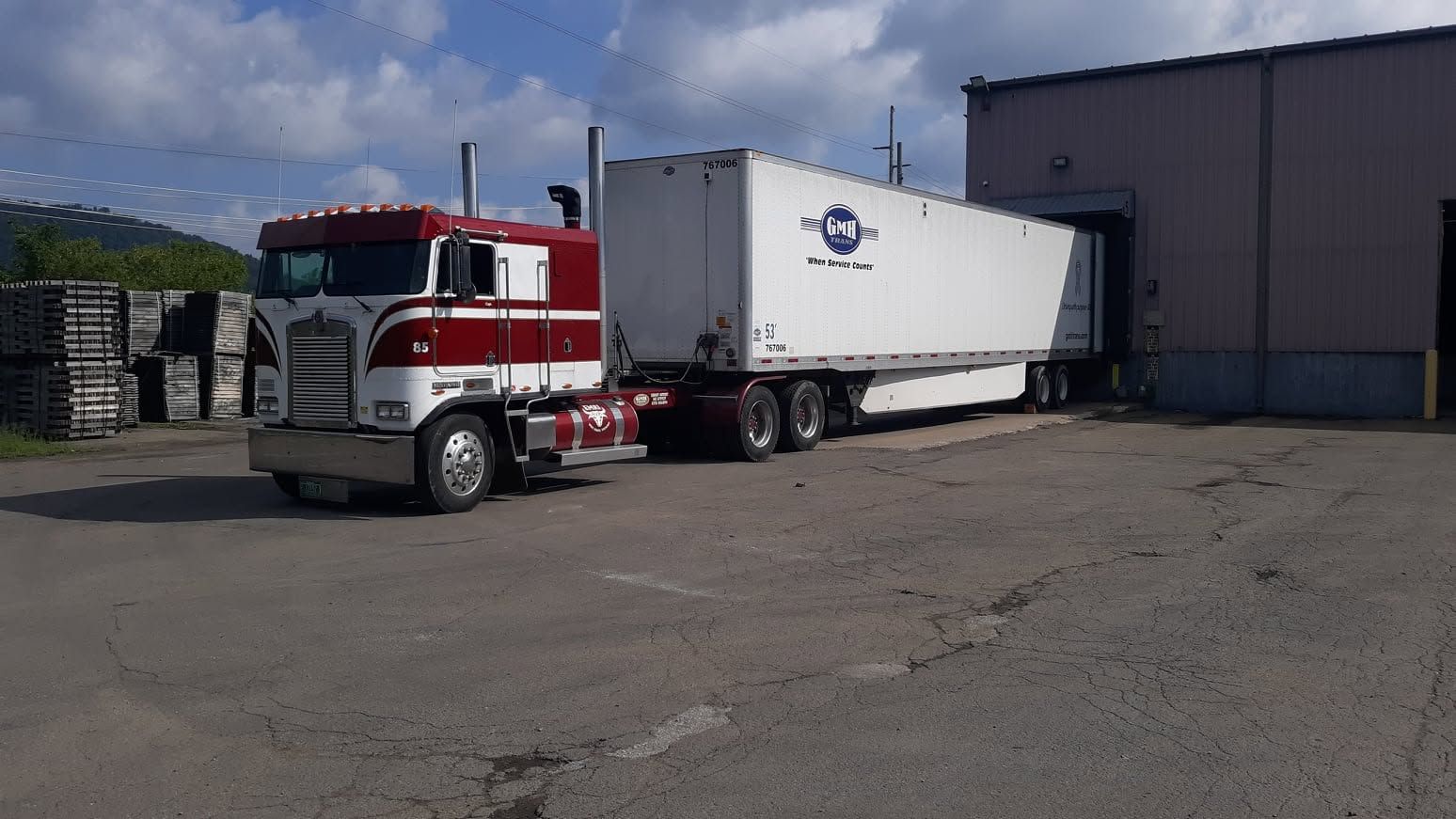
For businesses seeking a trusted, experienced partner in full truckload shipping, GMH Transportation Services
in Westminster, VT, exemplifies reliability and expertise. With 40
years of industry experience, GMH Transportation Services
understands the unique challenges of freight logistics and is committed to delivering solutions that enhance efficiency and safeguard shipments. Their team combines extensive industry knowledge with advanced technology, ensuring real-time tracking, optimized routing, and proactive communication for every shipment. Businesses can rely on GMH Transportation Services
to handle large-scale, time-sensitive deliveries with precision, minimizing delays, damage, and operational disruptions. Over four decades, GMH Transportation Services
has built a reputation for professionalism, integrity, and customer-focused solutions. Whether managing high-volume freight for retail, manufacturing, or specialized cargo, their expertise ensures clients achieve maximum efficiency and measurable supply chain improvements. Partnering with a seasoned provider like GMH Transportation Services
not only guarantees dependable transportation but also strengthens long-term operational performance, allowing businesses to focus on growth while leaving the complexities of full truckload logistics in capable hands.